
I wasn’t made to stay put: the beautiful case of fernwEh
Fernweh, translatable as nostalgia for distance is a common expression in the German language that describes the human desire to leave the known circumstances of everyday life and open up to the vast outside world.
I absolutely love this word, it’s such a fun word to say! This is yet another of those words where there’s no real translation! If you were to transliterate it, you would literally get ‘head cinema’.
How about this one? Excuse me, I have Kopfkino. This word is for those situations where you play out how you imagine a scenario would go in your head. It is for those situations where you imagine how a scenario would go in your head. I think of this word when I should be editing a video but find myself staring aimlessly out the window and dreaming of finding medieval France or reading more about the Original Arc de Triomphe in Provence!
The desire to travel may be genetic, and it can possibly be traced to what has been dubbed “the wanderlust gene.” Associated with increased levels of curiosity and restlessness, the gene is associated with dopamine levels in the brain.
You may know the feeling when it comes creeping… The urge for newness, desire for inspiration, and thirst for adventure hits you like a tidal wave that just won’t quit. It’s sometimes called wanderlust.


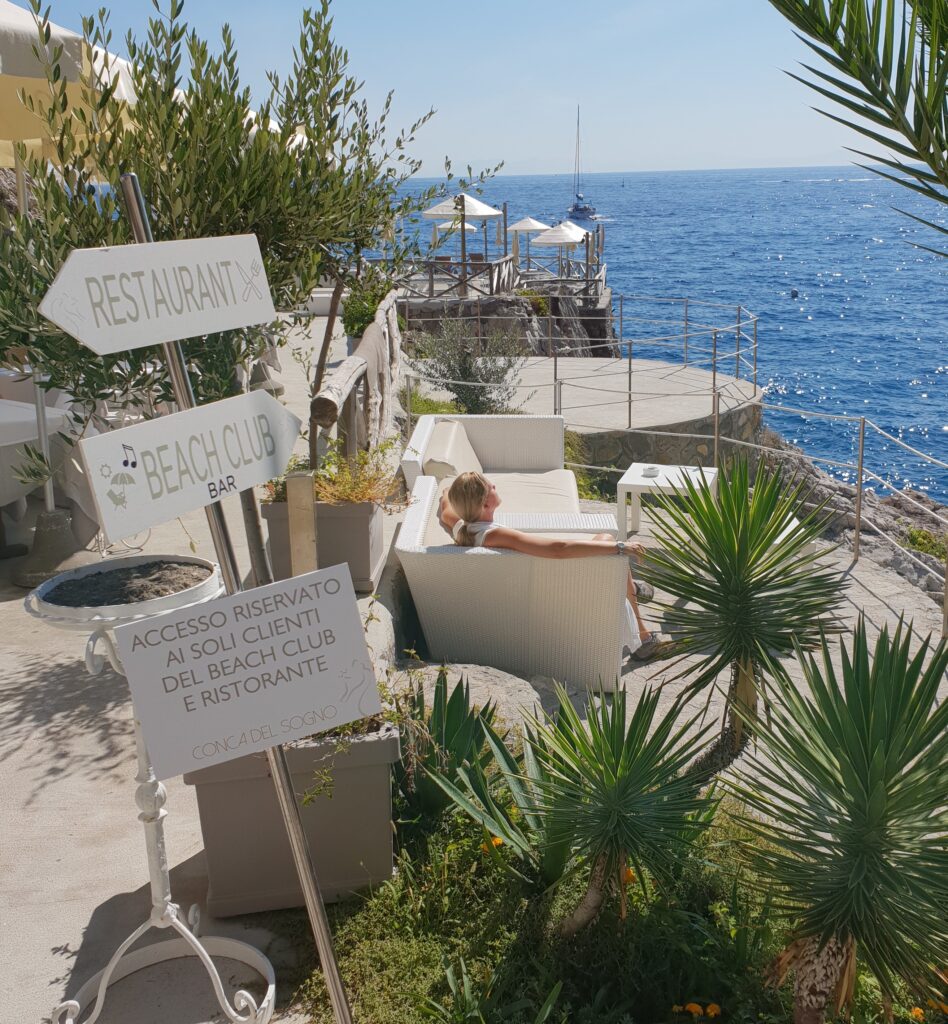




For me and 20% of the world population, a new experience is much more fulfilling than the average life could ever be. It’s like a never-ending need to be in awe of something. Those of us with wanderlust crave adventure feel more at home in any destination other than our actual abode. For us, everywhere is home.
For people drawn to new experiences travel guides their heartbeat; it feels as if it runs through their veins… That desire to travel is genetic. If you’re destined to explore and have an incurable travel bug, you may have neurotransmitters, genes, and alleles to thank for it.
What do I mean? Let’s break it down: Dopamine is a neurotransmitter—essentially something that neurons use to communicate with each other—and some dopamine-releasing neurons have been implicated in “reward” and “pleasure.” Dopamine could be a motivating factor in our desire to go out in search of things that activate these pleasure and reward responses. It is the brain’s “feel-good chemical.
According to Travel + Leisure:
Studies over the years have proven a link between an excess of dopamine in the brain and a tendency to engage in impulsive and dangerous behaviors. This surplus dopamine has also been associated with a specific variant of the DRD4 gene, which codes for a single type of dopamine receptor called the 7R+ allele. While this genetic variation has previously been tied to issues like gambling and addiction, it can also explain a more benign compulsion, the urge to travel.
Travel + leisure
If you’re thinking you’ve just found the diagnosis, and reason, for your sudden urge to get up and go you could be right. The DRD4-7R variant has been said to be carried by 20 percent of the human population. And the 7R+ allele has been linked to that can’t-sit-still, gotta-keep-moving surge of curiosity, that drives our desire to see new places, taste new foods, and welcome change and new experiences.
According to National Geographic: “Studies in animals simulating 7R’s actions suggest it increases their taste for both movement and novelty
Now when your parents, friends, coworkers, or loved ones can’t understand why you’re not satisfied with staying in one place and ask you why – tell them you have incurable fernweh!
Long live the adventure!